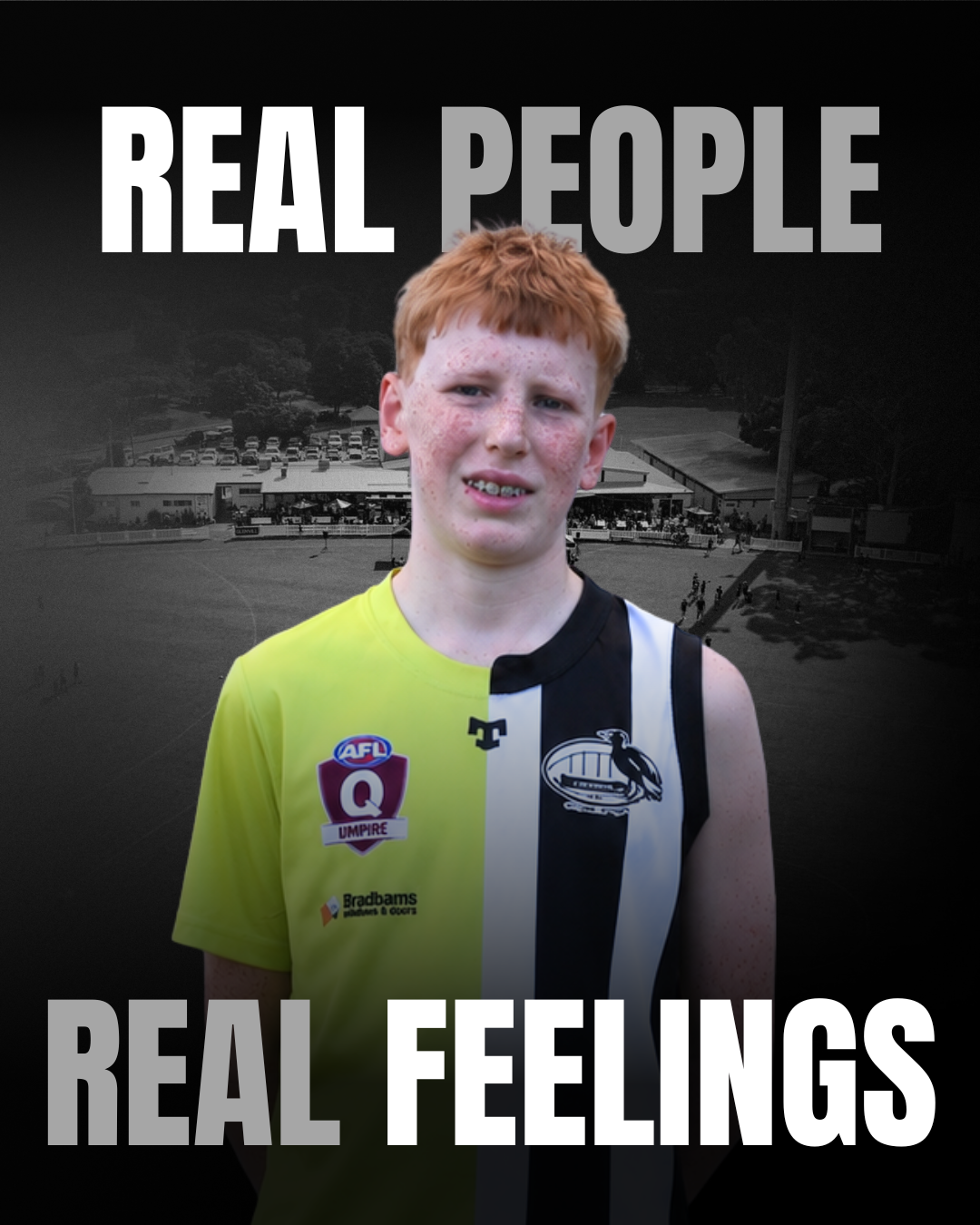
Real People, Real Feelings
Andrew Thomson


Humanising our umpires
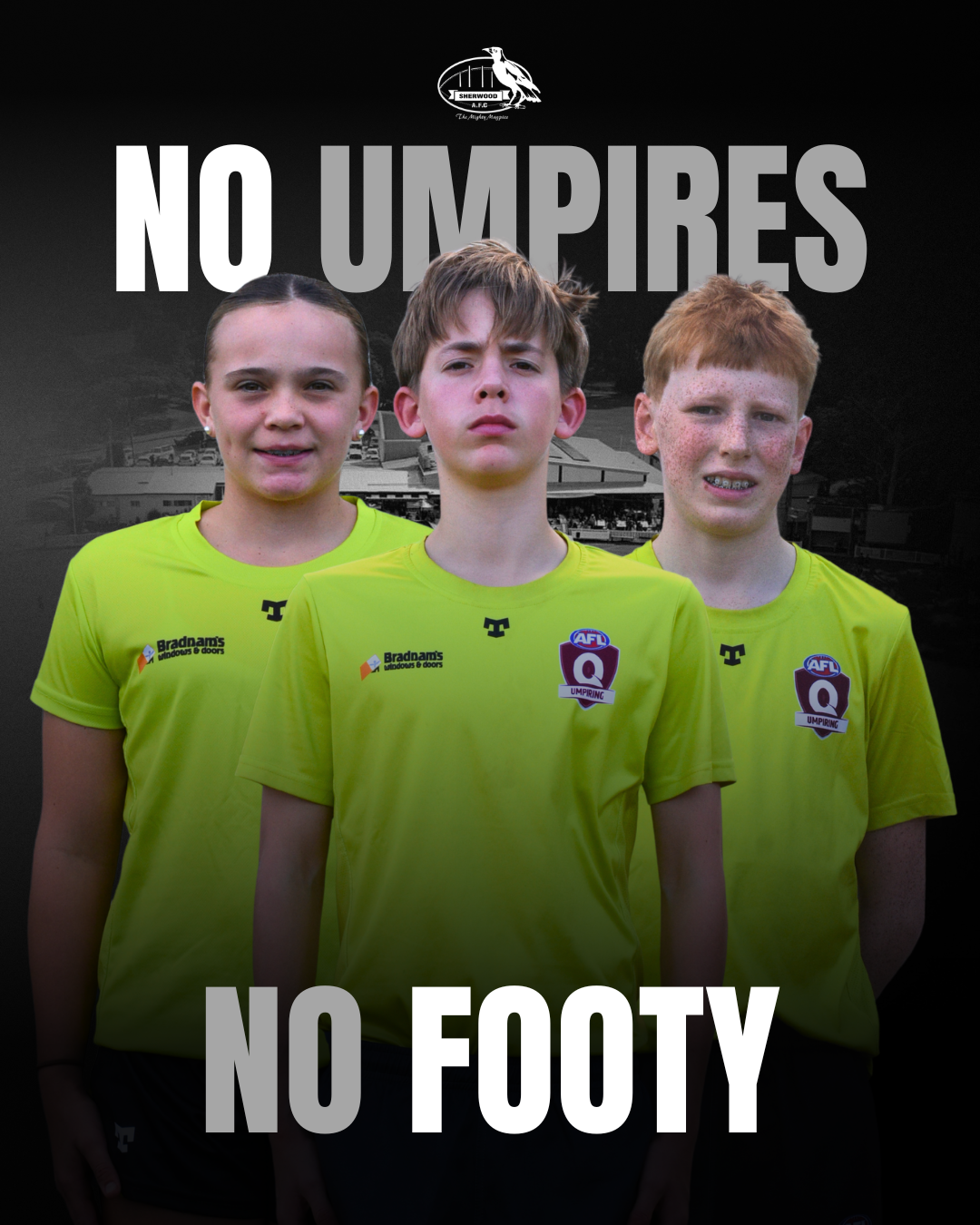
Earlier this year, Sherwood Magpies launched a social media campaign where we put umpires on a pedestal—literally and figuratively—because someone needed to.
It wasn't a viral moment. It wasn't designed to be. What started as a straightforward idea—humanise the people in the middle—reached over 160,000 people and got reshared across multiple leagues and competitions. That wasn't the goal. The goal was simpler: remind everyone that umpires are real people having real experiences on and off the field.
Why umpires matter more than we think
Community sport runs on volunteers. Everyone knows this. But somewhere along the way, umpires became a convenient target. Missed a call? Blame the umpire. Bad weekend? Blame the umpire. They show up every week to make judgement calls in real time, managing players, coaches, and occasionally—let's be honest—the occasional meltdown from the sideline.
And they do it mostly without recognition.
Despite all this, we were disheartened to see they were treated as though they were not part of the club. That gap between how we treat umpires and how we should treat them felt worth closing.
What the campaign showed us
When we started sharing umpire stories— how they got into umpiring, their likes & dislikes and their experiences on field —something shifted. The responses we received from our community indicated that people were starting seeing them as actual humans instead of neutral figures enforcing rules.
We heard from umpires about the pressure they feel. About the abuse they cop from people who've had a bad day. About why they keep coming back anyway. These weren't complicated stories. They were just true ones.
The campaign received reshares from other clubs and other sports who realised their umpires were having the same experience, indicating its effectiveness as a result of it addressing something real that nobody had really talked about.
What changes now
Awareness is step one. Real change happens when clubs—us included—start actively supporting umpires. It's the small things. It's thanking them after a game. It's checking in if a decision went against you. It's creating a culture where umpires feel like part of the community, not parallel to it.
If you're involved in community sport in any capacity, this applies to your club too. Umpires are easier to take for granted than to take seriously. But they're essential. They deserve to be treated like it.
The campaign had its run. But the work it highlighted—valuing the people who make the game possible—that's ongoing.